Manage Stormwater with Proper Access Solutions
Culvert Installation for Properties in Richmond, Vermont and Surrounding Areas
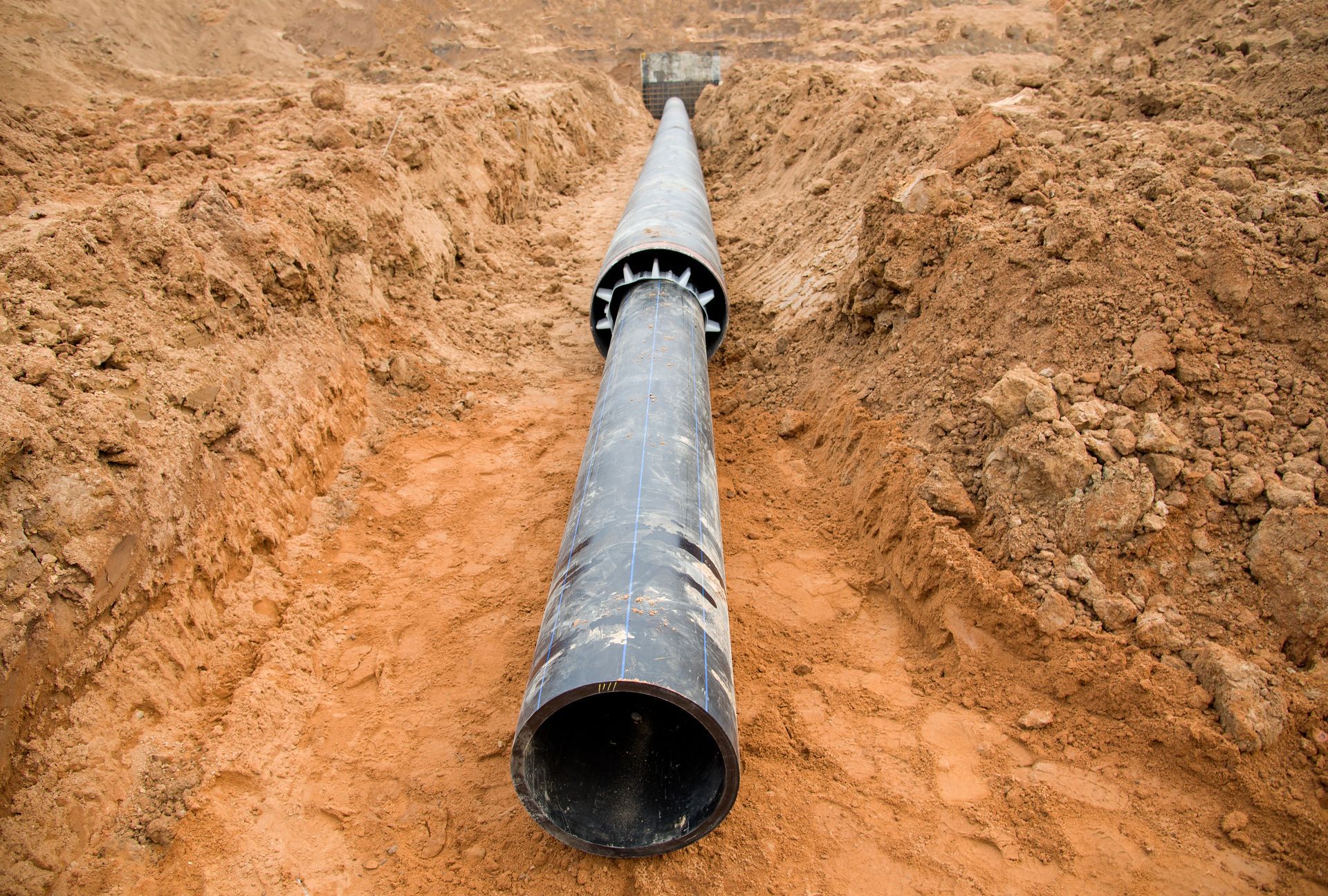
Pelletier Contracting LLC installs culverts for driveways and property access points throughout Richmond, Vermont, creating passages that allow water to flow beneath roadways and entrances without causing erosion or flooding. You need a culvert when building or improving a driveway that crosses a ditch, stream, or natural drainage path, or when stormwater runoff threatens to wash out your access route. The installation involves placing durable pipe or box culverts at the correct depth and angle, backfilling with compacted material, and finishing the surface to support vehicle loads while maintaining water flow.
Culverts prevent water from pooling at property entrances and protect driveways from erosion during heavy rain or snowmelt. Without them, ditches overflow, gravel washes away, and access becomes impassable during storms. In Vermont, where spring runoff and seasonal rains challenge rural infrastructure, culverts must be sized to handle peak flow volumes and positioned to avoid freezing or sediment buildup. This service addresses the intersection of drainage management and access functionality, ensuring that your driveway remains stable and your property remains accessible year-round.
If your property requires reliable stormwater management at access points, reach out to discuss culvert options suited to your terrain and traffic needs.
What Happens During Culvert Installation
The process starts with assessing water flow patterns, driveway width, and load requirements to determine the appropriate culvert size and material. You will see excavation to create a trench at the correct grade, placement of the culvert pipe or box, and careful backfilling with crushed stone or gravel to distribute weight and prevent settling. The culvert is aligned to match the natural flow of water, with inlet and outlet elevations set to avoid ponding or excessive velocity that causes erosion downstream.
After installation, you will notice that water moves freely beneath your driveway during rain, and the surface remains intact without washouts or ruts. Pelletier Contracting LLC coordinates culvert work with grading and drainage projects, integrating access solutions into broader site improvements. The finished installation supports vehicle traffic without sagging and channels stormwater efficiently, reducing maintenance and extending the life of your driveway.
Culvert installation does not include repairs to existing roadways beyond the immediate work area or treatment of upstream drainage issues unrelated to the access point. The focus remains on creating a functional, code-compliant crossing that handles water flow and vehicle loads. Timing depends on ground conditions and permitting requirements, with dry weather preferred for excavation and compaction.
Common Questions About Culvert Installation
Property owners often ask about sizing, materials, and how culverts fit into overall drainage planning.
What size culvert do I need for my driveway?
Culvert diameter is determined by the volume of water flowing through the area, typically ranging from twelve to eighteen inches for residential driveways, with larger sizes used for properties with significant runoff or upstream drainage areas.
How deep should a culvert be installed?
Depth depends on driveway height, frost line considerations, and the need for adequate cover to support vehicle weight, usually requiring at least twelve inches of compacted material above the culvert in Vermont conditions.
When does a culvert need to be replaced?
Replacement becomes necessary when pipes rust through, collapse, or become too small to handle increased water flow, often indicated by pooling, erosion, or driveway settlement near the crossing.
Why use specific materials for culverts?
Corrugated metal and high-density polyethylene pipes each offer benefits, with metal providing strength and polyethylene resisting rust and chemical damage, allowing material choice to match site conditions and budget.
What makes culvert installation different in Richmond?
Sloped terrain and seasonal water flow common in Richmond require careful attention to inlet and outlet placement to prevent washouts and ensure the culvert functions during peak runoff without overtopping the driveway.
Proper culvert installation protects your property and maintains access in all weather conditions. Contact Pelletier Contracting LLC to evaluate your driveway crossing and determine the right solution for your site.